
When time softens: psychedelic-assisted therapy in life’s final chapter
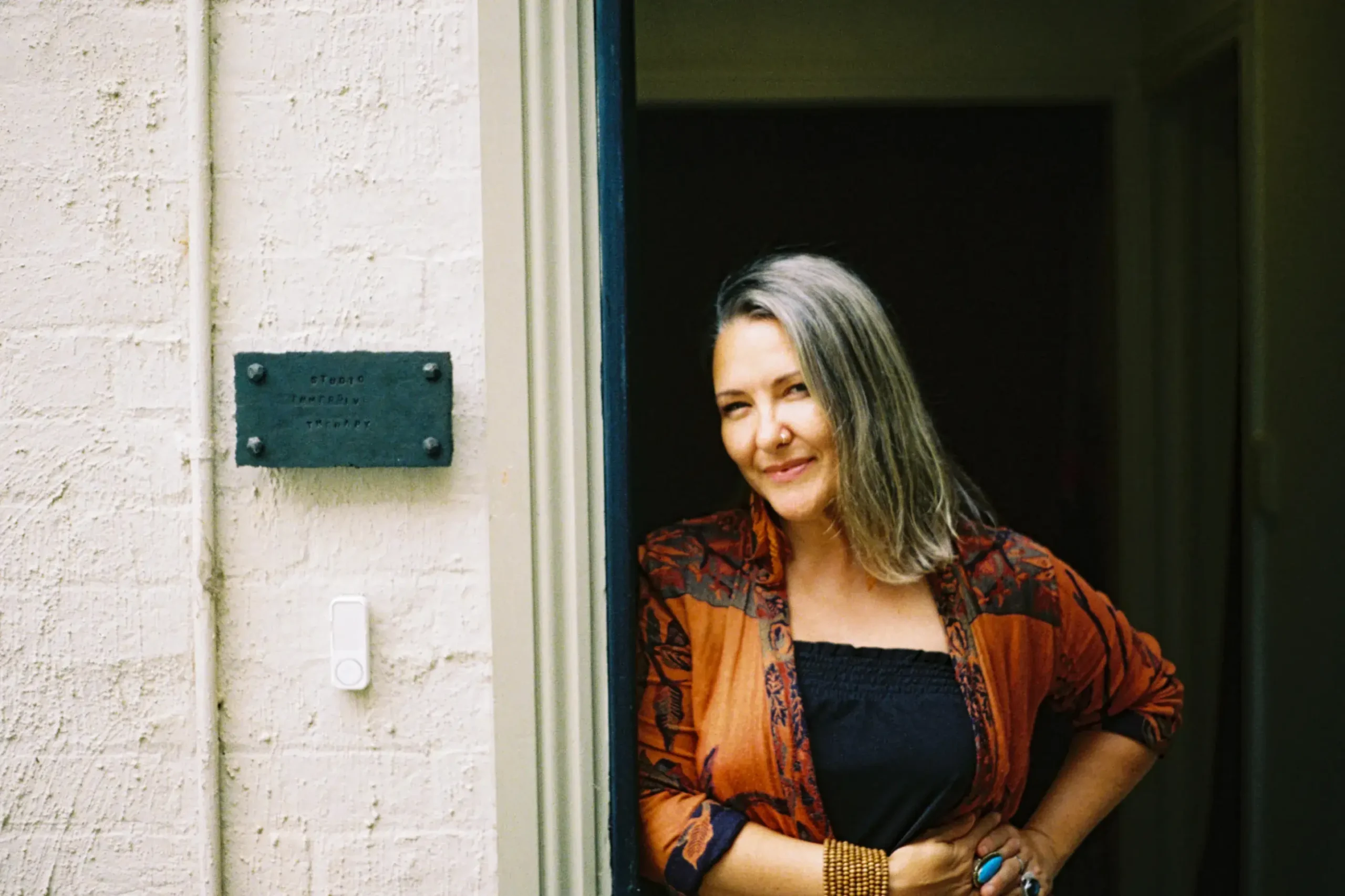
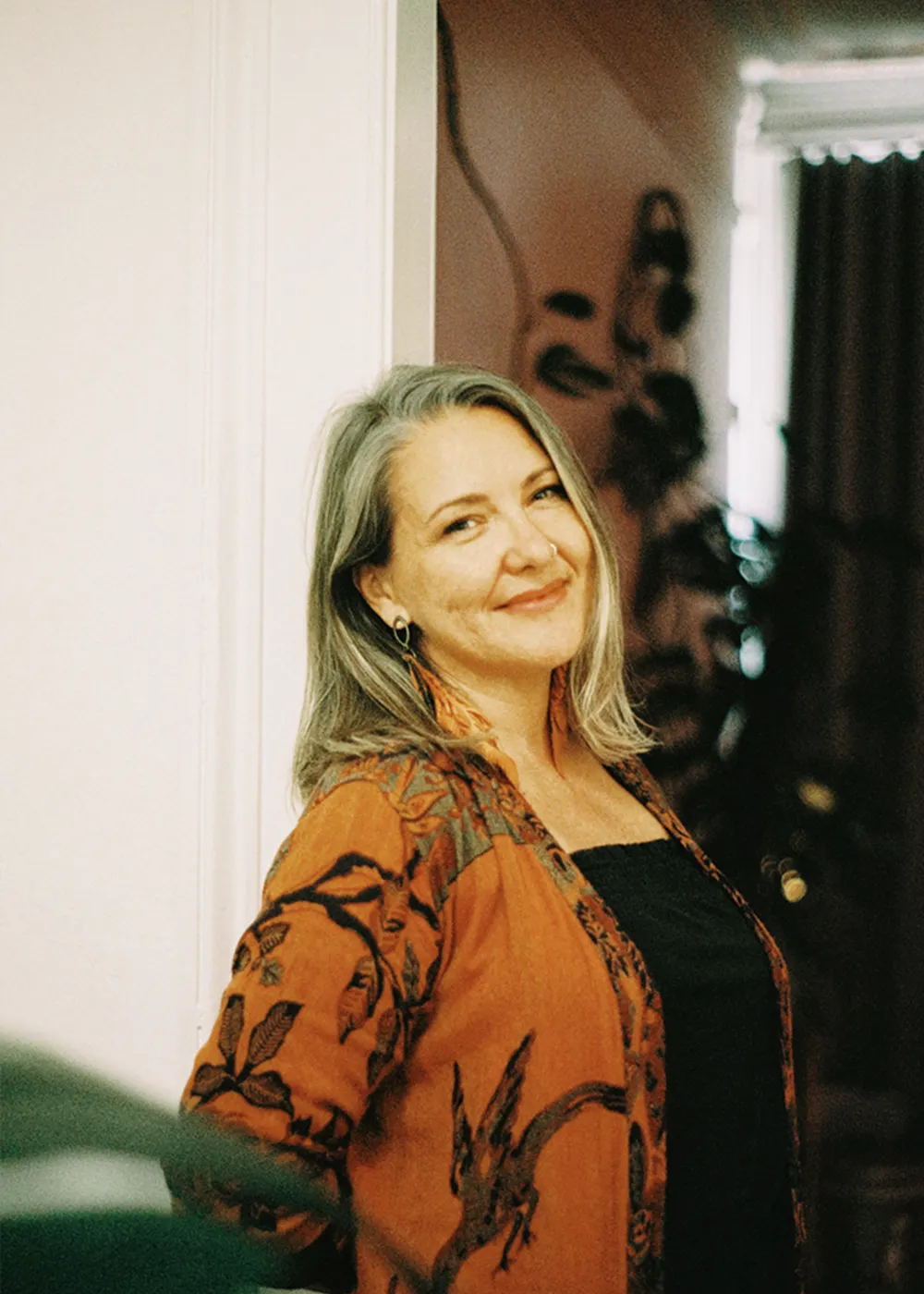
In this story, we sit down with clinical psychologist Dr Margaret Ross in the dosing room where she supports terminally ill patients in Melbourne. She was the Chief Principal Investigator and Clinical Lead for Australia’s first psychedelic-assisted therapy trial, conducted at St Vincent’s Hospital Melbourne. Her psychotherapy practice is dedicated to supporting individuals living with life-threatening or life-limiting illnesses, as well as those navigating profound life transitions. Her ongoing research centres on mental health conditions that may benefit from psilocybin-assisted psychotherapy, alongside advancing the training of mental health clinicians in this specialised field.
Death is an inevitable part of this physical life – a truth none of us can escape. It becomes even more immediate and confronting for patients who, in a single moment, are told they are living with a terminal illness and may have only months, sometimes even weeks remaining. For patients who receive a terminal diagnosis, a single appointment, a single scan result or a single conversation can redraw the entire landscape of a life.
For Dr Ross, her work in psychedelic-assisted therapy with patients living with terminal illness was driven by a desire to reimagine palliative care.

She wanted to ensure that those approaching the end of life are supported with dignity, compassion, and the space to transition from this life in a way that feels meaningful and whole. In January 2020, Australia’s first clinical trial for psychedelic-assisted therapy commenced at St Vincents hospital in Melbourne.
Section title here
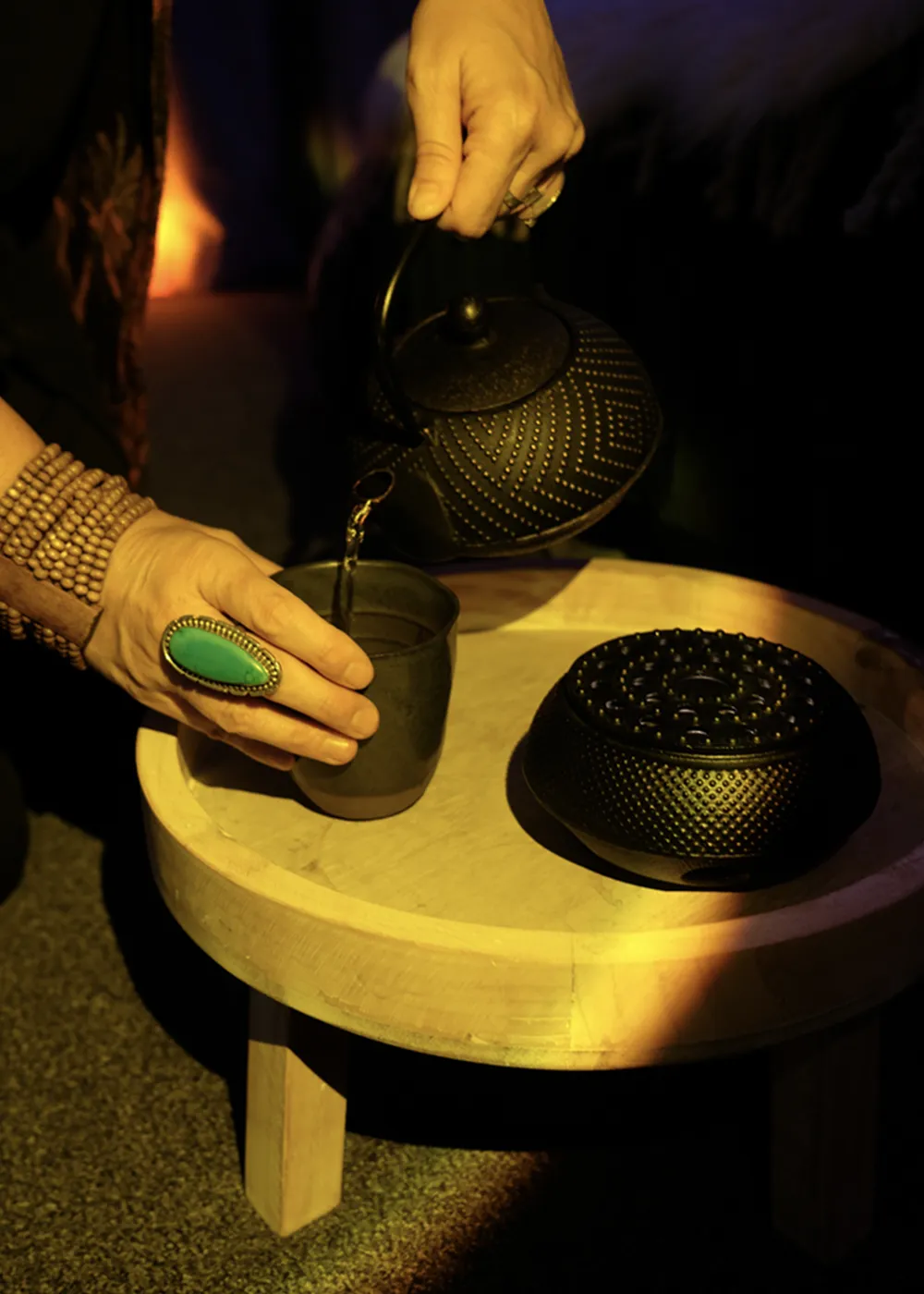
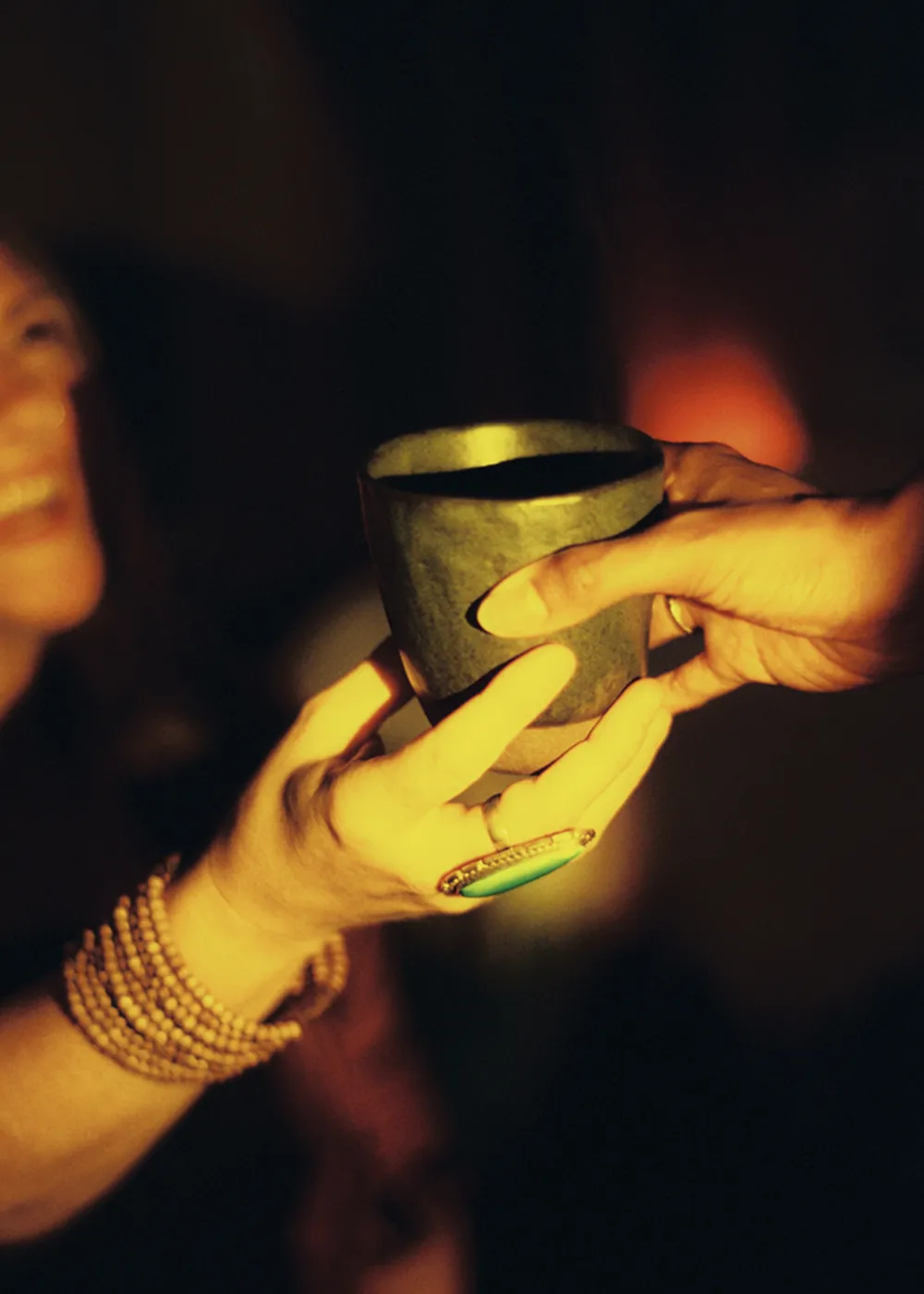
I offer tea at every session as a quiet gesture of welcome. There is something deeply human about the care of being received into a space with warmth and nourishment before we step into the more intimate terrain of psychotherapy. It is essential that we offer hospitality to other people whom we provide care for.

This sculpture was forged by my colleague, Dr Justin Dwyer and blacksmith artist Pete Matilda. It is a beautiful piece that sits between the waiting area and our studio rooms. It is flowing and organic, but also a quiet and consistent presence.
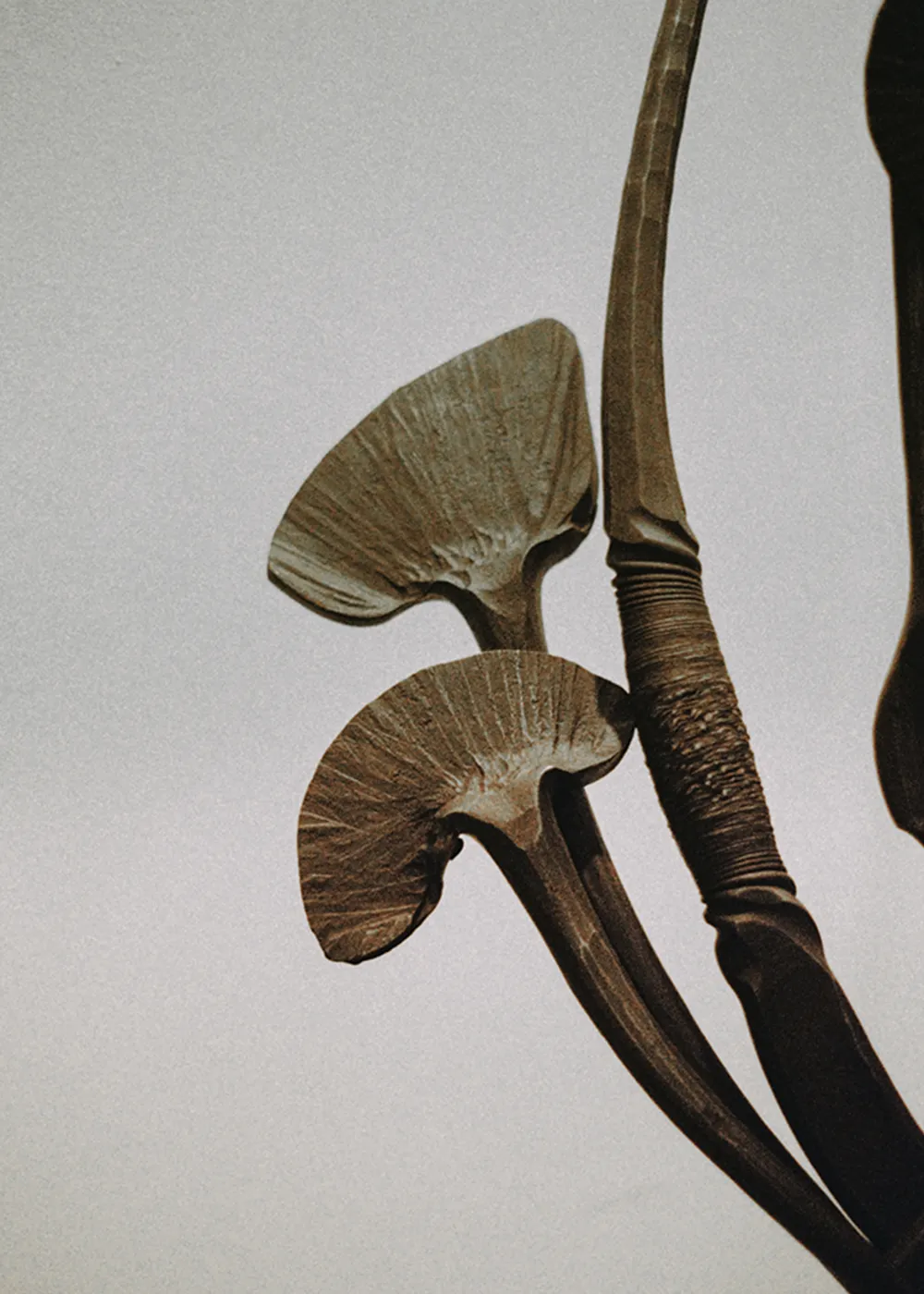
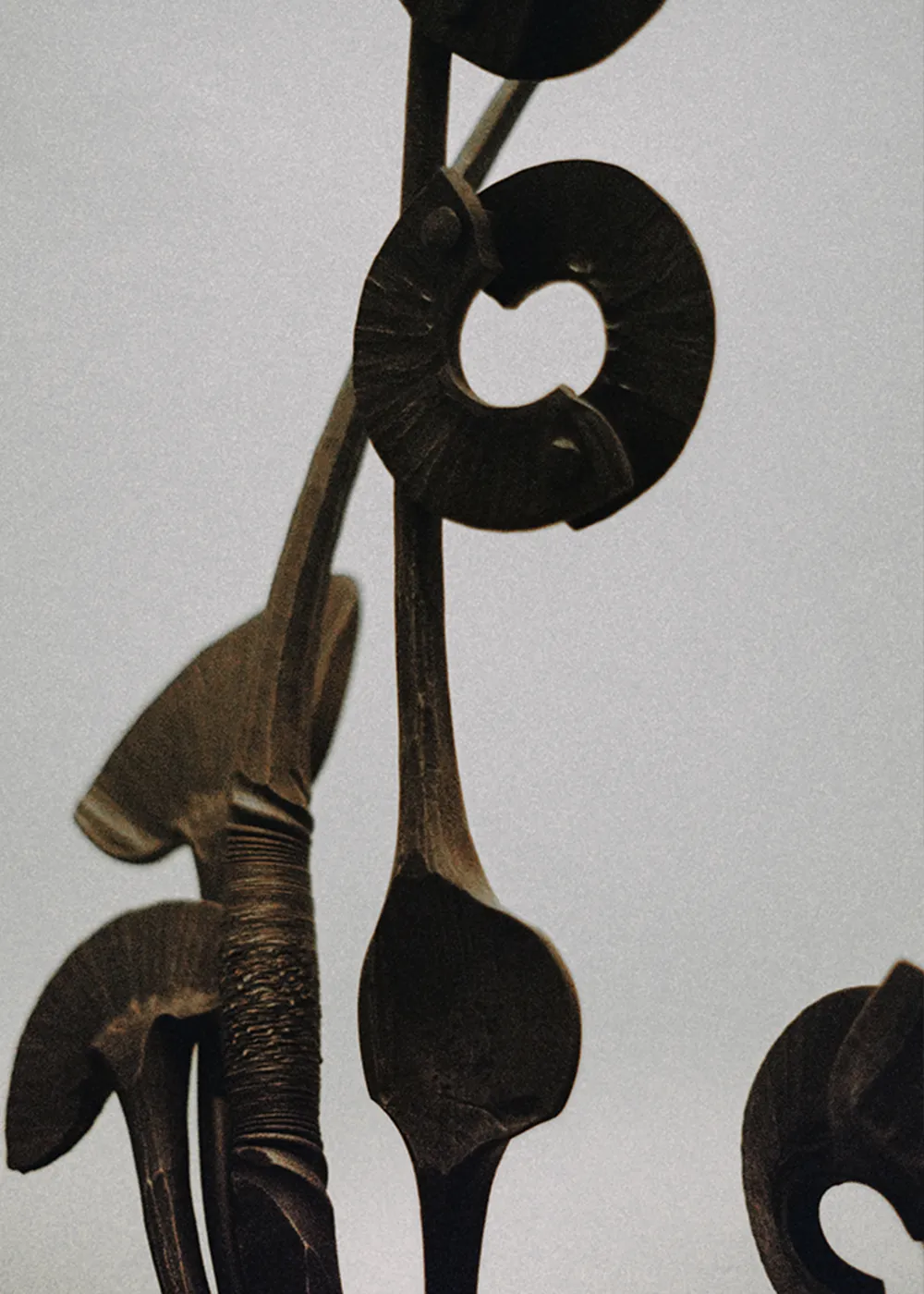
We call ‘her’ the guardian – symbolising the work of accompanying people through illness, dying and altered states of consciousness. This piece calls for presence, creativity and courage to sit at the threshold.
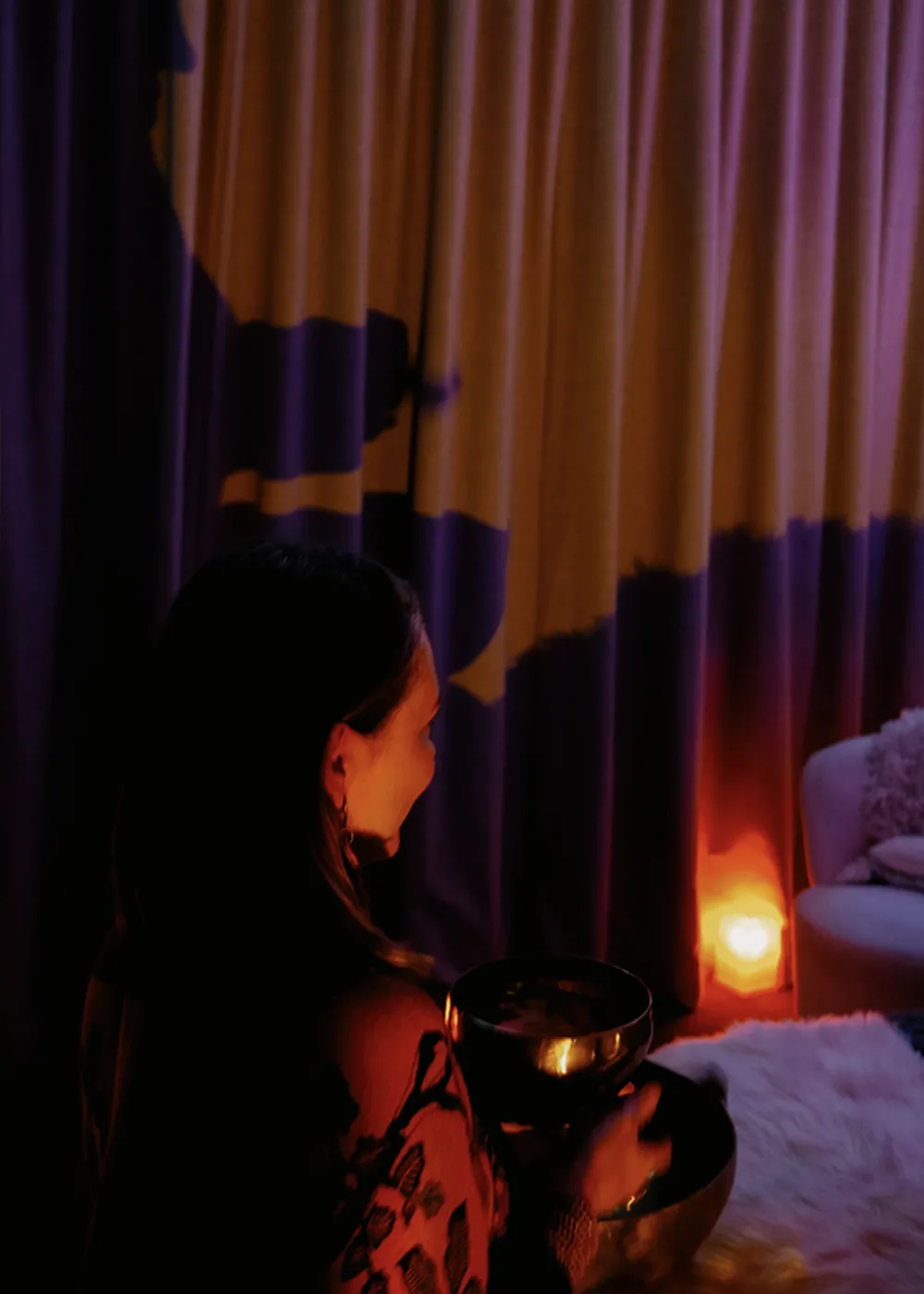
Sound work can gently restore a sense of inhabiting rather than enduring one’s own body. This offering reminds us that our body can also feel good, even when you feel like your body has ‘betrayed you’ during terminal illness.

The clinical trial found that psychedelic-assisted therapy showed reductions in depression and anxiety among people living with advanced, life-threatening illnesses, while also enhancing quality of life and fostering a deeper sense of spiritual wellbeing.
Many participants experienced noticeable improvements within 24 hours, with positive changes in mood, perspective, and overall wellbeing often lasting for up to six months following treatment.